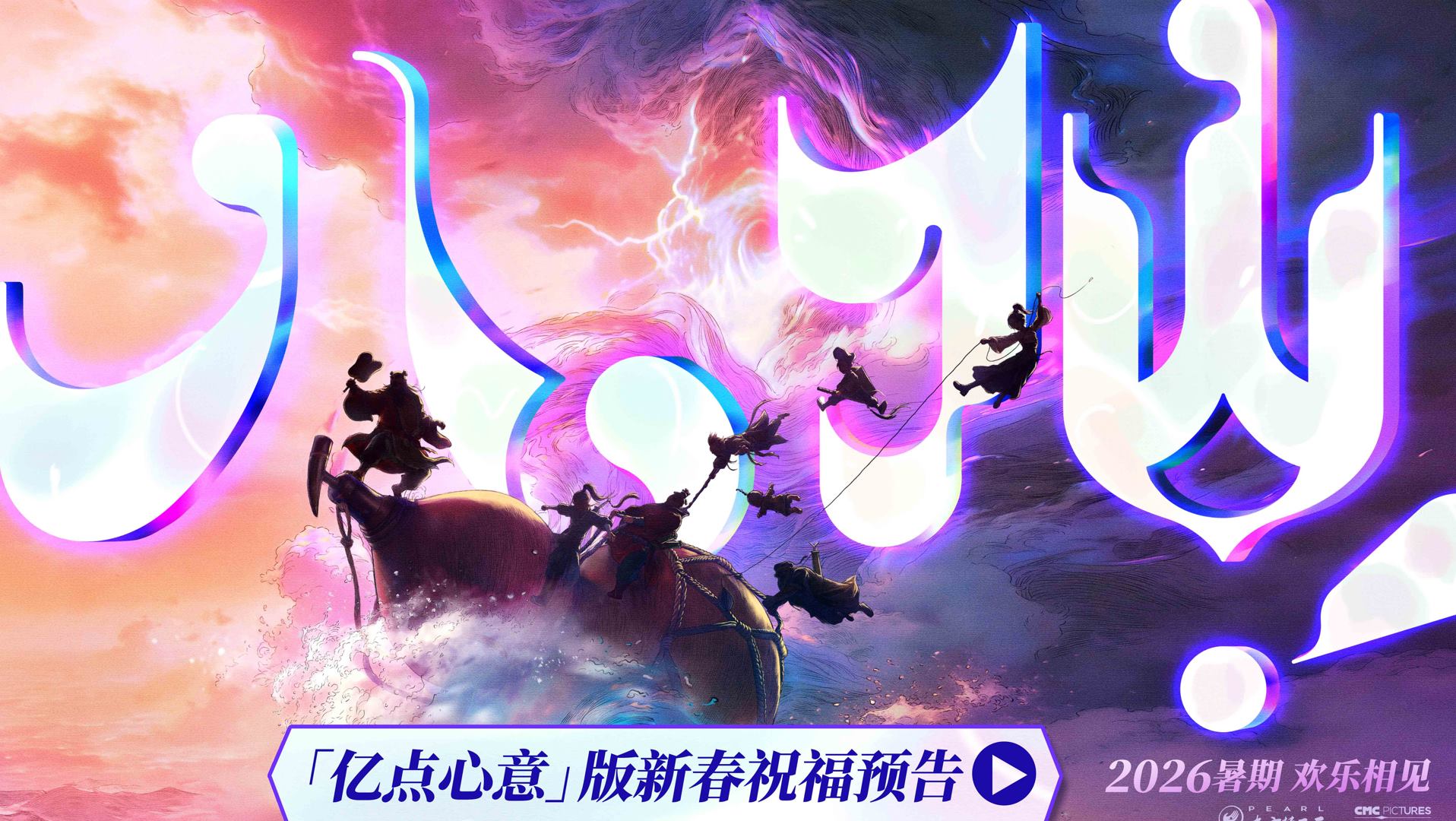
What does the ending actually resolve?
The movie begins with flawed ordinary people operating inside a world that measures status, incense and immortality. Here, incense refers to the film's wider idea of offerings and belief, not simply burning sticks. By the finale, the decisive change is not a simple increase in magical power. The group stops treating transcendence as an individual prize and acts as a team even when that choice carries a cost. That is why the title works as an argument rather than a promise that every private wish will be granted literally.
The immediate plot reaches a stopping point, but Penglai's institutions do not suddenly become harmless. The film separates defeating a plan from fixing the system that made the plan possible. This is also why the final stretch can feel complete on an emotional level while remaining intentionally open on a world-building level.
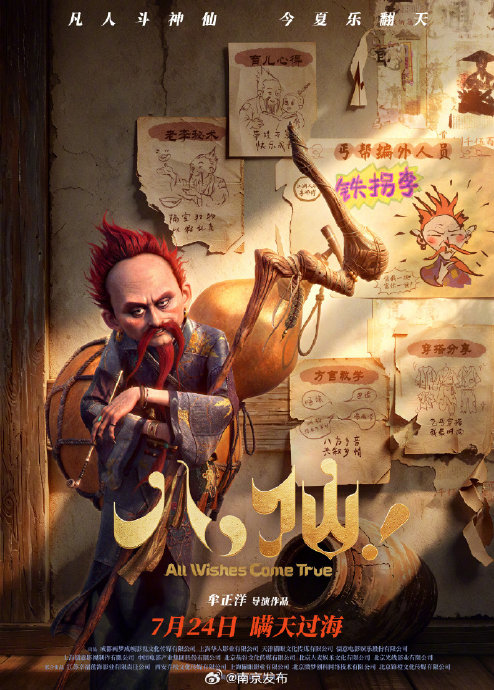 Official public material
Why does the Yang Jian figure look different?
Post-screening comments from the creative team directed viewers to compare the mouth scar and eye colour. Those differences are meaningful visual information, not enough evidence to assign a definitive mythological name. They support one firm conclusion: the figure presented later should not automatically be treated as the exact same Yang Jian seen in the main conflict.
Popular theories name Sun Wukong, Yuan Hong, a puppet or a replacement enforcer. None of those identities has been formally confirmed. A responsible ending explanation therefore keeps two columns: what is visible or creator-confirmed, and what remains audience inference.
What is the film saying about becoming immortal?
The Eight Immortals are familiar cultural icons, but the film asks what they were like before the icons hardened into legend. Its answer is based on responsibility, mutual support and the willingness to choose other people over a perfect public image. Immortality is consequently framed less as a reward for being flawless and more as a name later generations give to choices worth remembering.
This reading also explains the contrast between ordinary people impersonating immortals to survive and institutions reproducing a powerful image to preserve order. The two acts can look similar while serving opposite moral purposes.
 Editorial visual
What is still deliberately unanswered?
The later figure's name, allegiance and long-term plan remain undisclosed. The film also leaves room for other mythological characters to enter the same world, but room is not confirmation. Director Mu Zhengyang has said a follow-up is in planning; no official title, production start or release date has been announced.
Treat any article that supplies a complete sequel plot as speculation unless it links to a new production announcement. For a spoiler-light status check, use the sequel guide rather than trying to reverse-engineer a release plan from the ending.
- Confirmed: the later design contains intentional visual differences.
- Interpretation: the system may outlast an individual antagonist.
- Unconfirmed: the replacement figure's exact mythological identity.
- Unconfirmed: the story, cast and date of a second movie.
Frequently Asked Questions
What happens at the end of All Wishes Come True?
The immediate conflict is resolved through the group's shared choice, while the final visual clues show that Penglai's wider power structure and one character identity remain open.
Does the ending confirm who the different Yang Jian figure is?
No. The scar and eye differences are intentional, but the creative team has not officially named the figure.
Does the ending confirm All Wishes Come True 2?
It creates room for another story. A follow-up is in planning, but no titled and dated sequel has been officially announced.
Sources and evidence policy
Film facts are checked against attributable interviews, official film information and active cinema or distributor pages. A source can support only the field it actually states.